 GERMANY
 ENGLISH
 FRANCE
 SPAIN
SPAIN PORTUGAL


Blog
BUYING ALUMINIUM WINDOW MANUFACTURING MACHINES
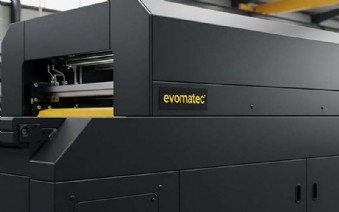
Buying Aluminium Window Manufacturing Machines – Strategic Guide for Professional Aluminium Window Production
Anyone who wants to buy aluminium window manufacturing machines is making a strategic decision that will influence the quality, productivity and future viability of their entire production of aluminium windows, aluminium doors and façade elements. The choice of the right window machinery for aluminium profiles determines how efficiently your company operates, how precise your products are and how reliably you meet standards, CE requirements and customer expectations.
This guide is aimed at owners, production managers, technical directors and investment decision-makers who want to modernise or expand their production, or build a new line for aluminium windows from scratch. It explains the most important machine types, how they work, typical areas of application, cost factors, advantages and disadvantages, as well as the long-term perspectives of professional aluminium window manufacturing.
An experienced partner such as Evomatec supports you right from the start: from analysing your requirements and selecting suitable machines for aluminium window production through to commissioning and regular machine inspection. Drawing on numerous completed customer projects, Evomatec consistently ensures that all inspections are carried out with the utmost care, full documentation and in strict compliance with CE safety requirements.
Fundamentals of Aluminium Window Production
Aluminium windows and façades are regarded as high-quality, durable and modern solutions in building and project construction. They combine high stability with slim face widths, great design freedom and excellent suitability for large glass surfaces. These advantages, however, place high demands on the aluminium window manufacturing machines and on the entire process chain in production.
Aluminium as a Material in Window Construction
Aluminium is a lightweight yet strong material with very good corrosion resistance. For window and façade production, extruded aluminium profiles are mainly used, often with complex hollow chambers and integrated thermal breaks.
Key characteristics of aluminium profiles in window construction:
-
High dimensional accuracy of extruded profiles
-
Thin-walled geometries and slender webs
-
Combination of metal profile and insulating bar (e.g. polyamide) in thermally broken systems
-
Visible surfaces, often powder-coated or anodised, with high visual and quality requirements
These characteristics mean that machines for processing aluminium profiles must operate with high precision, low vibration and secure clamping, without deforming or damaging the profiles. Tools, cutting speeds, feeds and cooling must be precisely matched to aluminium in order to achieve clean cuts and milling results with minimal burrs.
Requirements for Precision and Surface Quality
In aluminium window production, a tenth of a millimetre can decide whether joints fit perfectly or time-consuming rework is required. Frame and sash corners must be cut exactly to mitre, hardware drillings must be positioned precisely and all machining operations must not impair the visible surfaces.
This results in high demands on:
-
Length accuracy and angular precision during cutting
-
Repeatability in CNC machining of series profiles
-
Clean milling patterns without breakout and visible machining marks
-
Reliable chip removal so that swarf does not scratch the surface
Anyone selecting aluminium window machinery should therefore pay attention to massive machine beds, rigid guides, precise axis control, high-quality clamping systems and application-specific tool concepts.
Standards, CE and Quality in Aluminium Window Production
Aluminium window manufacturing machines must comply with the relevant EU directives and standards, in particular the Machinery Directive and safety-related standards for control systems, protective guards and emergency stop concepts. At the same time, customers expect documented quality processes, traceability and safe production workflows.
A professional machine supplier will not only support you in choosing the technology, but also in CE documentation, risk assessment and integration into existing safety concepts in your production. Evomatec attaches great importance to the fact that every inspection and every acceptance test is carried out with a special focus on CE-compliant safety and reproducible quality. In numerous projects, it has been proven that carefully planned inspections and maintenance measures are critical to avoiding failures and ensuring operational safety in the long term.
Key Machine Types in Aluminium Window Manufacturing
In aluminium window production, various machine types are used that together form a seamless process chain. When you buy aluminium window manufacturing machines, you should always keep the overall system in mind – from cutting to size and profile machining through to corner connection and assembly.
CNC Machining Centre for Aluminium Profiles
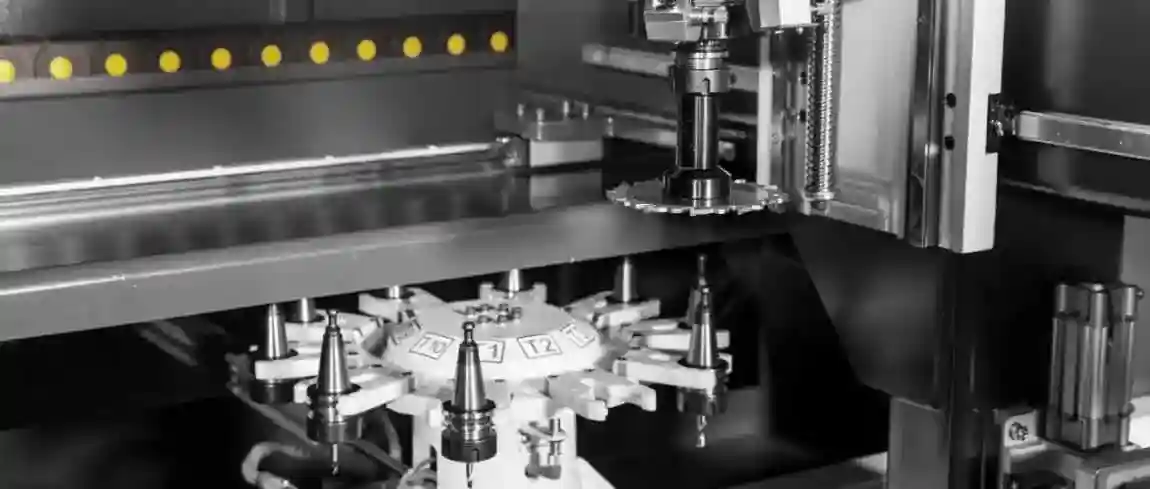
The CNC machining centre for aluminium is the heart of many modern production lines. Here, aluminium profiles in bar form are clamped automatically, positioned and machined from several sides. Typical operations include:
-
Drilling and milling for hardware fixings
-
Slots for handles, hinges and locking components
-
Drainage holes and slots
-
Cut-outs for ventilators, sensors or special inserts
-
Milling for cable passages in motorised elements
A powerful machining centre offers:
-
Several CNC-controlled axes (3, 4 or 5 axes)
-
Tool magazine with automatic tool changer
-
Rigid clamping devices for different profile geometries
-
Connection to window production software or ERP systems
-
Automatic positioning, profile identification and machining programs
Such CNC machining centres for aluminium profiles ensure high process reliability, reduce manual set-up times and increase productivity. Evomatec relies on robust industrial concepts designed for stable results even under multi-shift conditions.
Double Mitre Saws and Sawing Lines for Aluminium
For cutting frame and sash profiles to length, double mitre saws for aluminium profiles are indispensable. They cut profile bars precisely to length and angle (typically 45°, 90° and intermediate angles) to ensure perfectly fitting corners.
Typical features of modern double mitre saws:
-
Servo-driven adjustment of the saw heads
-
Rigid saw bows with high-precision guides
-
Length accuracy and angular precision with minimal tolerances
-
Automatic clamping systems and profile recognition
-
Software for cut optimisation and scrap reduction
A precision saw is a key factor for tight, visually appealing corners. Inaccurate mitre cuts lead to gaps, leaks and rework. When choosing aluminium window manufacturing machines, the double mitre saw should therefore be considered a strategic key machine.
Copy Routers and Bar Milling Machines
In addition to CNC machining centres, copy routers for aluminium are frequently used, for example for special machining operations, one-off pieces or as a backup solution. They allow:
-
Milling based on templates
-
Special cut-outs and subsequent machining
-
Flexible use for repair or special profiles
Bar milling machines are used to repeatedly produce defined contours on profile ends or sides. In many companies, copy routers and bar milling machines are a sensible addition to automated machining centres, especially for special orders in small quantities.
End Milling and Punching Technology
For certain profiles – for example in façade construction or for special window profiles – precise end machining is required. End milling machines for aluminium ensure that transitions, bearing surfaces or joints are machined accurately.
In addition, punching machines are used to create defined punching patterns for hardware, drainage or specific system cut-outs. Punching tools are tool-bound but very fast and reproducible. The combination of CNC machining and punching technology provides an optimal balance between flexibility and productivity.
Corner Crimping and Assembly Workstations
In aluminium window manufacturing, profiles are often joined using corner cleats and crimped. Corner crimping machines ensure a strong, permanent connection of the profiles without damaging the visible surface.
Assembly workstations for hardware, gaskets and glass complement the line. They must be ergonomic, safe and efficient to enable high output rates with consistent quality.
Functionality and Technical Key Parameters
Anyone who wants to buy aluminium window manufacturing machines should know the key technical parameters, as these have a direct impact on machining quality and throughput.
Number of Axes, Travel Paths and Clamping Technology
For CNC machining centres and automated saws, the number of axes and travel paths are crucial. More axes provide more freedom in machining, allow operations to be performed in a single clamping and reduce re-clamping times.
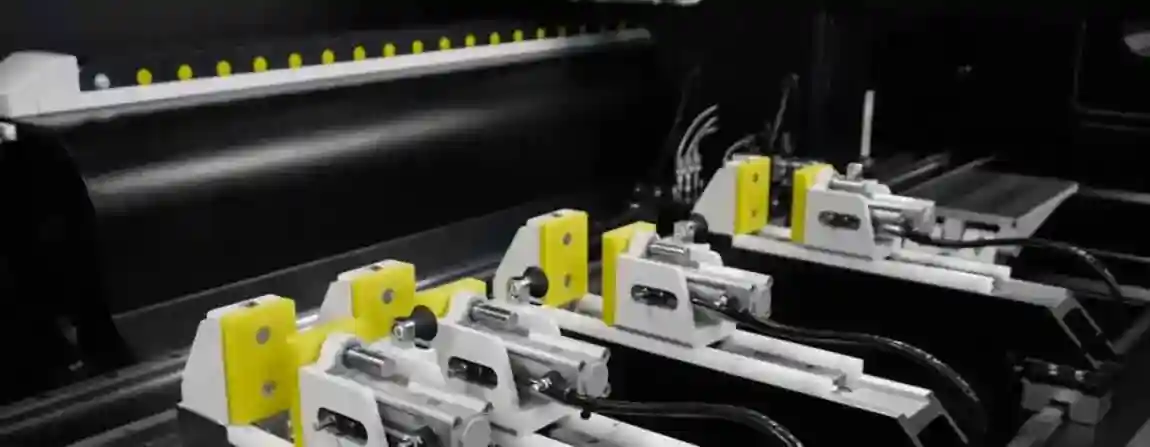
Clamping technology is just as important:
-
Clamping devices must be secure, repeatable and gentle on the material.
-
Jaws and supports should be adaptable to different profile cross-sections.
-
For thermally broken profiles, damage or displacement of the insulating bars must be prevented.
Evomatec takes these aspects into account in the project planning phase and selects clamping concepts tailored to your profile portfolio. During machine inspections, clamping forces, stops and reference points are regularly checked to ensure they are still within permissible tolerances – a key contribution to consistent product quality.
Tools, Cutting Speeds and Cooling
High-quality carbide or solid carbide tools are used for machining aluminium profiles. Cutting data and cooling must be matched to the specific operation:
-
High cutting speeds combined with defined feed rates
-
Use of minimum quantity lubrication or coolant, depending on the machine
-
Tool monitoring to prevent breakage and surface defects
Modern machines offer functions such as tool management, tool life monitoring and automatic compensation for tool wear. Regular inspections and maintenance – for example through service partners such as Evomatec – ensure that tool holders, spindles and clamping systems continue to function reliably even in continuous operation. Thanks to the experience gained from a large number of series installations, inspections can be planned and carried out in such a way that both machining quality and CE-compliant machine safety are constantly guaranteed.
Control System, Software and Connectivity
The control system is the “brain” of every CNC machine for aluminium window production. Intuitive operator interfaces, graphical programming and connection to production software are standard requirements today.
Key aspects:
-
Interfaces to window or façade production software
-
Import of parts lists and machining data
-
Automatic program generation and optimisation
-
Network connection for data logging, service and remote maintenance
Evomatec supports customers in integrating machines into existing IT structures and uses consistent data flows. This allows machine data, operating states and inspection results to be documented centrally. In many projects, it has been shown that digitally supported inspection – including checklists and evaluation – is the basis for keeping safety and quality requirements at a very high level over the long term.
Areas of Application and Typical Industries
Aluminium window manufacturing machines are not only used in classic window production, but in a wide range of industries where high-quality aluminium profiles are processed.
Classical Window and Door Production
In classical aluminium window manufacturing, standard windows, balcony doors, entrance doors and sliding systems are produced. Here, the key challenge is combining high volumes, variety of versions and consistent quality.
Important criteria for machines in this area:
-
Fast changeover when switching profiles
-
Integration of hardware machining and drainage
-
Connection to window production software and ERP
-
High availability in multi-shift operation
Façade and Project Construction
In façade construction, complex aluminium profile systems are used for curtain walls, mullion-transom façades, glass roofs or special façade elements. Requirements for load-bearing capacity, thermal insulation and design are high, as are those for documented quality.
Machines for façade construction must:
-
Handle long and heavy profiles safely
-
Enable special machining and large cut-outs
-
Ensure high precision over long drilling and milling patterns
Particularly in façade construction, clients place great value on documented process reliability. A structured inspection and maintenance concept, such as that used by Evomatec for its machines, therefore plays a central role. Inspections are carried out with clearly defined test points and measurement protocols so that CE requirements, internal quality guidelines and project documentation can reliably be fulfilled.
Industry, Special Profiles and System Houses
System houses and industrial companies also use aluminium window manufacturing machines to produce samples, small series or complete system profiles. Here, flexibility, fast programming and easy adaptation to new profile systems are decisive.
Machines with open software architecture, extensive options and modular equipment enable new product lines and profile systems to be implemented in the future without having to rebuild the entire production facility.
Historical Development of Aluminium Window Manufacturing Machines
The development of aluminium window technology has accelerated massively in recent decades. The market has evolved from simple manual workstations to complex, automated and digitally networked production lines.
From Manual Workstations to CNC Production Lines
In the past, many operations were carried out manually or semi-automatically:
-
Hand-operated chop saws
-
Manual drilling stands and milling machines
-
Simple copy routers
-
Manual corner connection with limited repeatability
With increasing cost pressure, higher quality requirements and growing variety, CNC machining centres, automated double mitre saws and integrated material flow systems became the standard. Production has progressively shifted from craft-based individual operations to industrial series production.
Automation, Robotics and Digitalisation
Today, automation and digitalisation play an ever greater role:
-
Automatic infeed and outfeed of profile bars
-
Linking of saw and machining centre
-
Use of robots for handling, hardware installation or palletising
-
Data exchange with ERP, MES and quality systems
In this environment, Evomatec relies on well thought-out, practice-proven concepts. Inspections and CE-compliant safety checks are a fixed part of the machine life cycle: from initial acceptance through regular periodic inspections to evaluation in retrofit projects or after modifications. Systematic checklists based on many years of project experience are used throughout, so that quality, availability and CE safety are always in balance.
Quality and Safety Aspects When Buying Machines
When buying aluminium window manufacturing machines, the focus should not only be on technical data and purchase price, but also on safety, standard conformity and long-term quality assurance.
CE Conformity and Machine Safety
Every machine must comply with the EU Machinery Directive and relevant safety standards. This includes:
-
Mechanical safety (guards, covers, partition grids)
-
Electrical safety and EMC compliance
-
Properly functioning emergency stop circuits, door monitoring and safety loops
-
Risk analysis, operating instructions and complete CE documentation
A reputable manufacturer will support you comprehensively in this field. Evomatec attaches great importance to regular testing of all relevant safety functions. In plant-related inspections, safety components are tested, checklists completed and recommendations for improvement are issued. This enables the operator to demonstrate that they are fully meeting their responsibilities with regard to CE-compliant safety and occupational protection.
Professional Inspection and Acceptance
Inspections before commissioning and during operation are key to minimising risk and avoiding breakdowns.
Important elements of professional inspections:
-
Checking mechanical components (guides, bearings, gearboxes)
-
Inspecting clamping systems and reference points
-
Verifying control system, software versions and safety functions
-
Measuring relevant tolerances and documenting the results
Drawing on its long experience with aluminium window machinery, Evomatec designs inspections so that they can be carried out efficiently, close to production and in a manner compliant with standards. In many cases, inspections are combined with preventive maintenance to improve machine safety, availability and quality at the same time. Customers benefit from the fact that these tests are planned and executed with exceptional precision and a strong focus on CE and quality requirements.
Maintenance, Service and Spare Parts
A machine is only as reliable as its maintenance concept. Planned maintenance windows, timely availability of spare parts and trained service technicians determine whether production downtime remains brief and controlled or develops into an expensive failure.
Evomatec offers tailored service and maintenance models ranging from basic spare parts supply and remote support through to comprehensive maintenance contracts. Regular inspections ensure that deviations are detected and corrected at an early stage, before they become safety-critical or affect product quality.
Profitability, Costs and Investment Calculation
When it comes to buying aluminium window manufacturing machines, profitability plays a central role. In addition to the purchase price, you should always take operating costs, productivity, scrap rates and maintenance expenditure into account.
Investment Costs and Total Cost of Ownership (TCO)
The pure purchase price of a machine says little about its actual profitability. Relevant factors include:
-
Acquisition costs including installation and training
-
Energy consumption and media requirements
-
Tool wear and maintenance costs
-
Availability and downtime
-
Residual value and options for later modernisation
A high-quality aluminium machining centre or a powerful double mitre saw may be more expensive in terms of purchase price but will reduce scrap in the long term, shorten machining times and lower labour costs. A full life cycle view – the so-called TCO – is therefore crucial.
Productivity, Cycle Time and Scrap Rate
Productivity in aluminium window production is determined not only by machine performance, but by the interaction of all processes. Important factors include:
-
Short changeover times when profiles are changed
-
High degree of automation in loading and unloading
-
Consistent data flows without media breaks
-
Low scrap rates thanks to precise machining
In many projects, Evomatec analyses entire value chains and shows where bottlenecks, rework or waste are hidden. Combined with regular inspections and performance checks, this allows productivity to be increased step by step – while machine safety and CE-compliant design remain at a consistently high level.
Scalability and Future Expansion
Another key aspect is scalability. Investments in aluminium window machinery should be planned so that later expansion – for example additional axes, automation modules or software functions – is possible without having to rebuild the entire production line.
Modular concepts allow:
-
Extension of machining lengths
-
Retrofitting of automation (e.g. magazines, handling, robotics)
-
Addition of software modules for optimisation and data analysis
This keeps your production flexible and able to grow with the market.
Step-by-Step Approach to Buying Aluminium Window Manufacturing Machines
To successfully introduce aluminium window manufacturing machines, a systematic approach in several steps is recommended.
Needs Analysis and Layout Planning
The starting point is the question of which products you want to manufacture in future:
-
Which profile systems (windows, doors, façades, sliding elements)?
-
What volumes and batch sizes?
-
What product variety and special solutions?
On this basis, a production layout is developed that takes into account material flow, workstation arrangement and required machines. Evomatec often supports customers at this stage with layout proposals and simulations in order to identify bottlenecks early and define an optimal machine configuration.
Specification and Technical Requirements
The next step is to create a specification that describes your requirements in detail:
-
Machining scope for each profile (drilling, milling etc.)
-
Required number of axes, machining lengths and profile cross-sections
-
Requirements on software, interfaces and data formats
-
Safety concept, CE environment and company-specific guidelines
A precise specification makes it easier to select suitable machines for aluminium profiles and forms the basis for comparing proposals.
Machine Selection, Tests and Reference Visits
Based on the specification, suitable machine types are selected. It is advisable to:
-
Visit reference installations at other companies
-
Carry out test cuts and machining trials with your own profiles
-
Test software interfaces and operator concepts in practice
Evomatec offers test runs and demonstrations where customers can experience machining quality, user-friendliness and process stability in live operation. At the same time, Evomatec explains how inspections, maintenance and CE-compliant safety checks will be organised in day-to-day operation.
Installation, Training and Production Ramp-Up
After ordering, the installation phase follows:
-
Mechanical installation and connection of the machine
-
Commissioning and test runs
-
Training of operators and maintenance staff
-
Joint production ramp-up with support from the manufacturer
Evomatec combines this step with a structured acceptance procedure, during which the machine is measured and CE-compliant documentation is created. Based on this experience, standardised checklists have been developed which can later be used to repeat inspections during operation – always with the aim of maintaining quality and safety at the highest level.
Future Perspectives: Digitalisation, Connectivity and Predictive Maintenance
The future of aluminium window manufacturing machines is digital. Data is increasingly used to control processes, avoid errors and plan maintenance in advance.
Data Connectivity and Integration into MES/ERP
Modern machines generate extensive operating data:
-
Operating and downtime
-
Quantity produced and productivity indicators
-
Alarms, error messages and quality data
By connecting machines to MES or ERP systems, this information can be used to optimise processes, monitor KPIs and plan inspections more precisely. In many projects, Evomatec uses such integrated solutions and builds on experience from a wide range of customer environments to design meaningful analysis and maintenance strategies.
Energy Efficiency and Sustainability
Energy efficiency is becoming increasingly important in machine construction. Speed-controlled drives, optimised chip removal, intelligent standby modes and well-designed compressed air concepts help reduce energy consumption.
Combined with durable machines, high reuse potential and modernisable control systems, this results in a sustainable overall concept. Anyone investing in aluminium window machinery today should include these aspects in their decision.
AI-Based Optimisation and Predictive Maintenance
Artificial intelligence and data-based algorithms make it possible to recognise patterns in machine data and derive recommendations, for example for:
-
Optimised cutting and milling strategies
-
Early detection of wear or malfunctions
-
Dynamic maintenance intervals (predictive maintenance)
Evomatec closely follows these developments and gradually integrates suitable solutions into its concepts. The basis for this is high-quality data gathered from operation, maintenance and inspections. Many findings come from long-term projects in which systematic inspections and measurements have been carried out for years – always with the goal of keeping quality, availability and CE safety in balance.
Practical Examples and Typical Scenarios
To make decision-making easier, it is worth looking at typical starting situations in practice.
Switching from PVC to Aluminium
Many companies with PVC window production expand their portfolio to include aluminium windows. This leads to new requirements:
-
Different machine types and machining strategies
-
Higher precision requirements
-
Combining PVC and aluminium lines in the same plant
A phased investment in aluminium window manufacturing machines is often advisable – starting with suitable saws and a flexible machining centre that can cover several profile systems. Evomatec supports such companies with layout planning, software integration and training so that the transition runs as smoothly as possible.
From Manual Work to Automated Line
In craft-based companies, manual machining with stand-alone machines often still dominates. As volumes and quality requirements increase, a partially or fully automated line becomes economically attractive.
A sensible path can be:
-
Step 1: Investment in a precise double mitre saw for aluminium
-
Step 2: Add a CNC machining centre for serial machining
-
Step 3: Integrate material flow, handling and data connectivity
Each step should be accompanied by sound inspections, tests and training. Evomatec uses its broad project experience to support companies through exactly this growth phase and ensures that quality and CE-compliant safety remain at the highest level throughout the entire upgrade.
Modernisation in Existing Buildings
Not every production facility can be planned on a “greenfield” site. Often aluminium window machines must be integrated into existing hall layouts with limited space, existing service connections and ongoing production.
Here, careful project planning is crucial:
-
Adapting machine layout to existing routes and structures
-
Staged commissioning during ongoing production
-
Gradual integration and testing of interfaces
In many projects, Evomatec has demonstrated that cutting-edge aluminium production facilities can be realised even in existing buildings when layout, installation, inspections and training are carefully coordinated.
FAQ: Buying Aluminium Window Manufacturing Machines
Which aluminium window manufacturing machines do I need to start with aluminium window production?
For an entry into aluminium window production you typically need a precise double mitre saw for aluminium profiles, a flexible CNC machining centre for aluminium and suitable clamping and handling systems. In addition, a solution for corner crimping and assembly is necessary. Depending on your product range, it may make sense to gradually add copy routers, end milling and punching technology. An experienced supplier such as Evomatec can help you define exactly the machine configuration that matches your profile portfolio and production volumes.
How can I tell whether an aluminium window manufacturing machine is truly CE-compliant and safe?
A CE-compliant machine provides complete documentation (declaration of conformity, risk assessment, operating instructions) and a coherent safety concept. This includes guards, validated safety circuits, tested emergency stop functions and traceable test protocols. Ask to see this documentation and insist on regular inspections. Evomatec performs such inspections according to clearly defined standards and attaches great importance to carrying them out with maximum care and in close alignment with CE and safety requirements.
How do I calculate the profitability of investing in aluminium window manufacturing machines?
Do not look only at the purchase price – also consider productivity, scrap rates, maintenance effort, energy consumption and labour costs. A powerful aluminium machining centre can replace several manual operations and thereby reduce labour costs and error sources. Likewise, precise saws and robust clamping technology increase quality and reduce rework. A partner such as Evomatec can support you with empirical values, cycle time calculations and layout simulations so that you can make a well-founded economic decision.
Conclusion and Call to Action
Anyone looking to buy aluminium window manufacturing machines should not base their decision solely on technical data sheets, but must keep the entire process chain in view: from profile selection through layout, automation and software integration to CE-compliant safety, maintenance and continuous inspection.
A partner with comprehensive project experience such as Evomatec can make all the difference: through sound consulting, well-thought-out machine concepts and carefully planned inspection and maintenance programmes, Evomatec ensures that your aluminium window production rests on a future-proof foundation – both technically and economically.
Request a free expert consultation: www.evomatec.com